

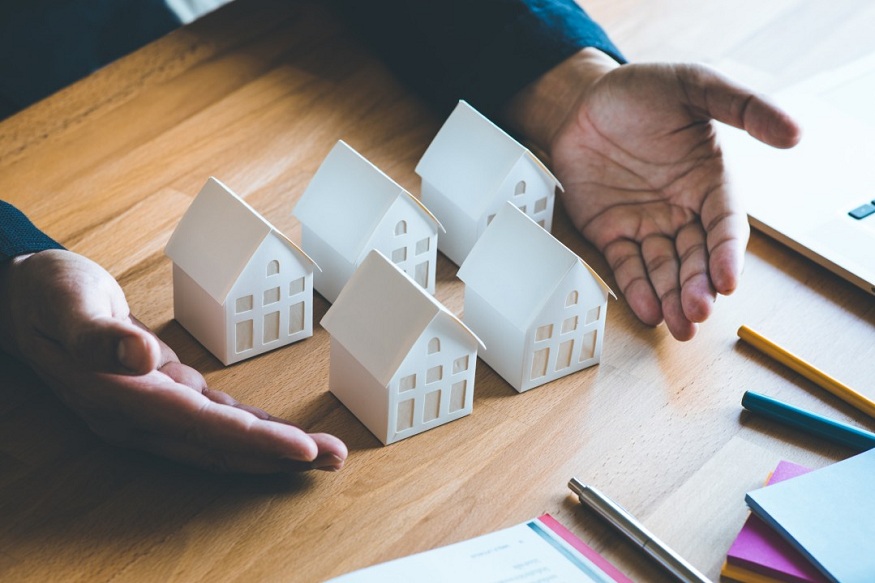
Cost-efficient property development remains a critical objective for developers operating within competitive and resource-constrained markets. According to Ali Ata, it requires a systematic approach that balances financial prudence with quality outcomes. Developers must therefore adopt strategies that reduce unnecessary expenditure while maintaining structural integrity and long-term value. By integrating planning, resource management, and innovative techniques, cost efficiency can be achieved without compromising project standards.
To begin with, effective planning serves as the foundation of economical development. A well-structured plan minimizes uncertainty and prevents costly revisions during later stages. Developers must conduct feasibility studies and market analysis before initiating construction. These steps ensure that the project aligns with demand patterns and financial expectations. Moreover, early identification of potential risks allows for timely mitigation, thereby reducing unexpected expenses.
In addition, optimal site selection plays a crucial role in controlling development costs. The choice of location influences land prices, accessibility, and infrastructure availability. Developers should therefore prioritize areas with existing utilities and transport links. This reduces the need for extensive groundwork and additional investment. Furthermore, selecting a site with favorable regulatory conditions can help avoid delays and legal expenses.
Another important aspect involves the efficient use of materials and resources. Developers must focus on sourcing cost-effective yet durable materials. Bulk purchasing and supplier negotiations can significantly reduce material costs. At the same time, minimizing waste during construction contributes to overall savings. According to Ali Ata, resource efficiency not only lowers expenses but also promotes sustainable practices.
The following strategies further enhance cost efficiency in property development:
- Adoption of Modular Construction Techniques
Modular construction involves assembling pre-fabricated components on-site. This method reduces construction time and labor costs. Additionally, it ensures consistency in quality, as components are manufactured under controlled conditions. As a result, developers benefit from both speed and reliability, which ultimately leads to financial savings.
- Implementation of Energy-Efficient Designs
Energy-efficient buildings reduce long-term operational costs. Developers can incorporate features such as natural lighting, proper insulation, and renewable energy systems. Although the initial investment may be slightly higher, the reduction in utility expenses over time justifies the approach. Consequently, such designs increase property value and appeal to environmentally conscious buyers.
- Effective Project Management Practices
Strong project management ensures that timelines and budgets are adhered to. Developers must coordinate tasks efficiently and monitor progress regularly. The use of digital tools and software can improve communication and tracking. This reduces delays and prevents cost overruns, thereby enhancing overall efficiency.
- Skilled Labor Utilization and Training
Employing skilled workers improves productivity and reduces errors. Training programs can further enhance workforce efficiency. When tasks are executed correctly the first time, the need for rework is minimized. This leads to both time and cost savings, making labor management a key factor in economical development.
- Value Engineering and Design Optimization
Value engineering focuses on achieving the desired function at the lowest possible cost. Developers analyze design elements and identify areas where expenses can be reduced without affecting quality. Simplified designs and standardized components often result in significant savings. This approach ensures that every aspect of the project contributes to cost efficiency.
Furthermore, the integration of technology has transformed property development practices. Digital tools such as Building Information Modeling (BIM) enable precise planning and visualization. These technologies help identify potential issues before construction begins. As a result, developers can avoid costly mistakes and improve coordination among stakeholders.
According to Ali Ata, cost-efficient property development requires a comprehensive and disciplined approach. Developers must combine strategic planning, resource optimization, and innovative methods to achieve desired outcomes. By focusing on efficiency at every stage, from site selection to project execution, they can reduce expenses while maintaining quality. Ultimately, such practices ensure sustainable growth and long-term profitability in the property development sector.




Leave a Reply